
The era of just a card is officially over in 2026. For tech startup founders and CFOs of professional service firms, from tax lawyers to relocation specialists, the search for a business credit card for small businesses has evolved from a back-office administrative task into a strategic decision.
Modern businesses no longer operate within the confines of a single city or even a single currency. You might be a US-based fiduciary hiring engineers in Vietnam, or a UK-based license vendor paying for cloud services in USD. In this "borderless" baseline, a credit card that only offers a 1% cashback on local office supplies is a relic of the past.
As transaction values and global economic interconnection continue to rise, your card choice dictates more than just your interest rate. It dictates your team's agility, your ability to handle complex KYB (Know Your Business) requirements, and how much of your margin is leaked to hidden foreign exchange fees.
Here is the 2026 decision framework for choosing the right card partner for your scaling business.

1. Spend Profile Alignment: Beyond Basic Rewards
The first factor in selecting a business credit card for a small business is aligning the card’s reward structure with your actual operational DNA.
Many traditional cards are designed for Main Street businesses with high spending on domestic shipping or gas. However, if you are a tech startup or a specialized service provider, your spend profile likely looks very different:
- SaaS and Digital Infrastructure: High-frequency, recurring payments for AWS, HubSpot, or Slack.
- Digital Advertising: Significant monthly outlays to Google or Meta.
- Global Talent and Outsourcing: Payouts to contractors and remote teams across different jurisdictions.
A card that offers high-multiplier reward points for tech-heavy spend categories, like those offered by specialized fintech platforms, often provides more value than a traditional bank's generic cashback. Furthermore, for businesses that operate across borders, the best reward is often the absence of a fee. Choosing a card that allows you to spend directly from multi-currency balances with 0% FX fees can save your business significantly more over time than a standard rewards program.
2. Limits and Liquidity: Traditional vs. Balance-Based
Wait times and rigid credit limits can be the silent killers of a fast-growing startup. When choosing a business credit card for a small business, you must evaluate how the provider determines your spending power.
- Traditional Credit Lines: These are based on your personal credit score or your company's historical financial statements. For a pre-revenue or early-stage startup, these limits are often frustratingly low.
- Balance-Based Limits: Modern fintech platforms often offer cards that pull directly from your multi-currency balances. This allows for "unlimited" spending power as long as the funds are in your account, providing instant liquidity without the need for a formal credit application that might take weeks to process.
For scaling businesses, the ability to generate virtual cards instantly for specific projects or vendors, each with its own dedicated spend limit, is essential. This decentralized approach to limits empowers your team while keeping the CFO in total control.
3. Global Functionality and the "Double Conversion" Trap
If your business has international ambitions, your card must be a global tool. One of the highest hidden costs for small businesses is the double conversion of currency.
Traditional cards often force a conversion to your home currency upon receipt of funds and another conversion when you pay an international supplier, with markups reaching 3% to 6% per transaction.
A future-ready business credit card for small businesses should offer:
- Like-for-Like Settlement: The ability to collect in a currency (like EUR) and spend in that same currency using your card without ever triggering an FX event.
- Interbank Rates: When conversion is necessary, your provider should offer transparent, real-time interbank rates rather than inflated "bank rates".
- Local Rails Access: The ability to move funds via domestic clearing systems (like ACH in the US or SEPA in Europe), which are faster and cheaper than the traditional SWIFT network.
4. Digital Tools and "Invisible" Finance
In 2026, the most successful financial services are "invisible". This means financial utility is woven directly into your daily workflow, rather than requiring you to jump between a banking app and your business dashboard.
When evaluating a card, look at the software behind the plastic:
- Real-Time Visibility: Can your finance team see spending as it happens, or do they have to wait for the month-end statement?
- Automated Reconciliation: Does the card sync natively with accounting platforms like Xero, QuickBooks, or NetSuite? Automating this accounting headache can save your team hours of manual work every week.
- OCR Receipt Capture: Can employees simply snap a photo of a receipt in a mobile app and have it automatically matched to the transaction?
Choosing a platform that consolidates cards, bill pay, and reporting into a single, unified system reduces reliance on multiple disconnected systems and lowers operational costs.
5. The KYB and Compliance Advantage
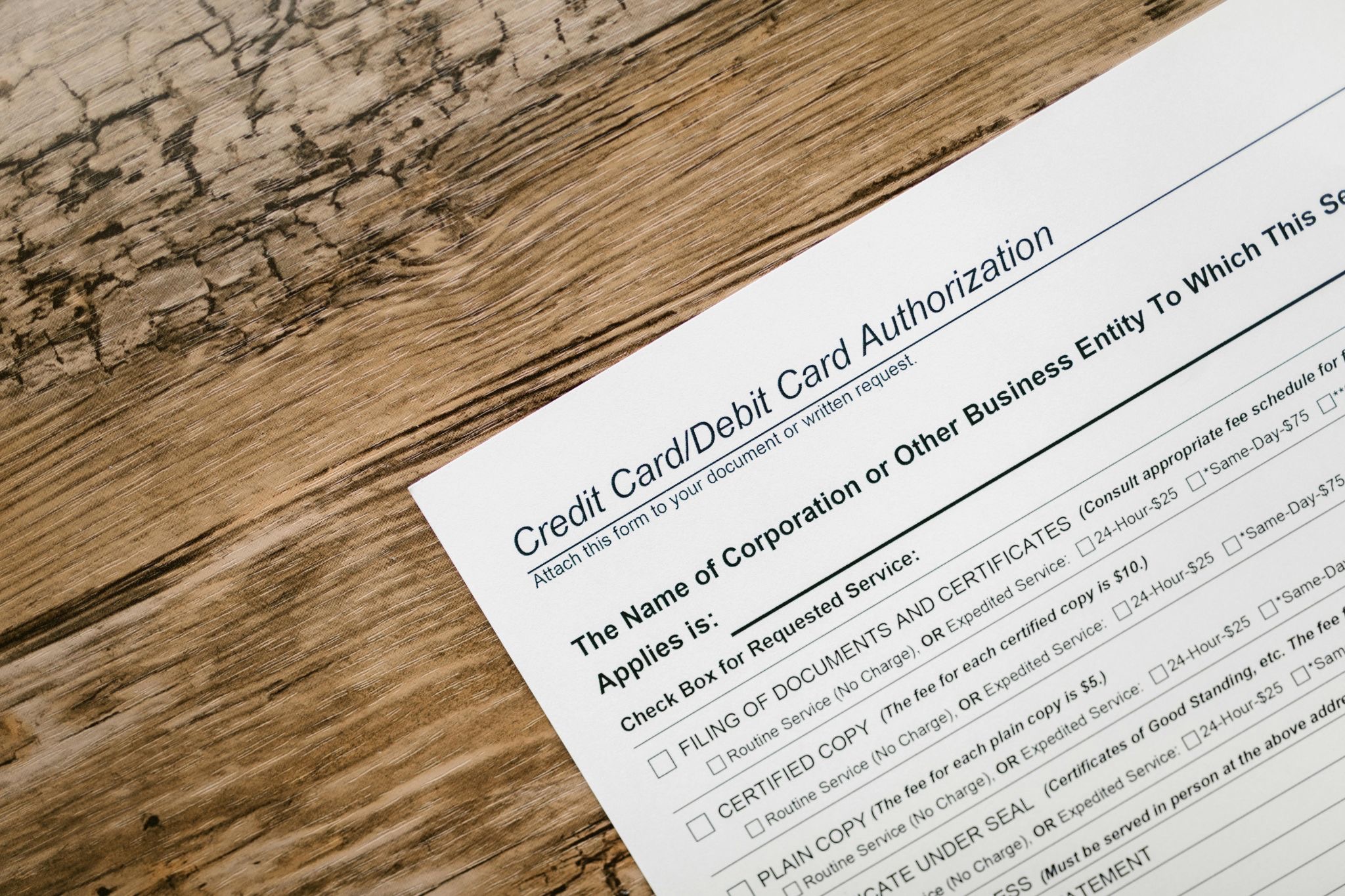
Finally, the best card is the one you can actually get approved for. For many companies, particularly those in complex industries like relocation, legal services, or cross-border software outsourcing, traditional banks often have a "low patience" for friction.
Traditional institutions often have rigorous, paper-heavy documentation requirements and may take weeks to review a complex LLC structure. In contrast, digital-first fintech platforms are often built for these exact use cases. They offer:
- 100% Digital Onboarding: No physical branch visits or stacks of paper required.
- Specialized KYB/AML Support: A deeper understanding of modern corporate structures, often enabling account activation within the same business day.
- Global Licensing: Partners that hold their own local licenses across multiple jurisdictions, reducing "middleman" fees and the risk of service disruptions.
Conclusion: Toward a Day Zero Finance Mindset
Choosing a business credit card for a small business isn't just about selecting a vendor; it’s about choosing who will co-author your customer and employee experience.
This is what we call the Day Zero mindset: building your system for the scale you are heading toward, not just the size you are today.
*Disclaimer: This article is intended for informational purposes only and does not constitute financial, legal, regulatory, or professional advice. The information provided reflects general market trends and practices and may not apply to your specific business circumstances or jurisdiction. Regulatory requirements, fee structures, and product features vary by provider, country, and applicable law and are subject to change. Readers should seek independent legal, financial, and compliance advice before making any decisions based on the content of this article.




















.jpg)





.jpg)




.jpg)
.jpg)